
Vapor Barrier Installation Vancouver WA for Crawlspace Ground Moisture Control
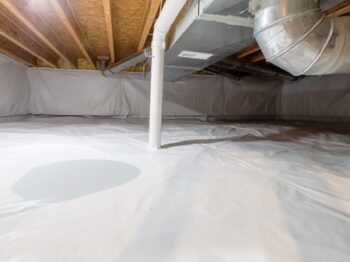
ABA HVAC & Crawlspace Solutions provides professional Vapor Barrier Installation in Vancouver, WA for homeowners dealing with exposed crawlspace soil, deteriorated ground covers, excess moisture, or incomplete previous installations. Vancouver’s long wet season makes crawlspace moisture management especially relevant, while the city’s housing ranges from early 20th-century homes in Hough to vintage properties in Fourth Plain Village and later development around East Mill Plain and farther east. ABA begins with a crawlspace inspection to determine whether the existing barrier can remain, needs correction, or should be replaced—and whether standing water or another condition requires a separate solution.
A vapor barrier has one primary purpose: provide appropriate ground coverage that helps limit moisture vapor moving upward from the soil.
Getting that right starts with understanding what is already beneath the house.
Older Vancouver Crawlspaces Can Have Layers of Previous Work
A home’s construction date does not necessarily tell you when its crawlspace was last improved.
That distinction is particularly important in Vancouver.
A house in Hough may be more than a century old but have a relatively recent vapor barrier. A Fourth Plain Village property may have undergone several rounds of insulation and crawlspace work. Homes in Shumway, Arnada, Bagley Downs, Vancouver Heights, and other established neighborhoods can have similarly varied maintenance histories.
ABA evaluates the installation that exists today rather than assuming an older house automatically needs all-new materials.
An existing vapor barrier may still be serviceable.
In other homes, ABA may find:
- Large areas of exposed soil
- Torn plastic sheeting
- Material that has shifted out of position
- Deteriorated sections
- Incomplete previous installation
- Debris covering or damaging the barrier
- Moisture-affected materials nearby
- Evidence that other crawlspace work is needed before replacement
The recommendation should follow those findings.
Ground Coverage Is the First Job of a Crawlspace Vapor Barrier
Soil contains moisture even when there is no visible water sitting on its surface.
A vapor barrier creates a physical layer over exposed crawlspace ground to help limit moisture vapor entering the space from the soil.
Coverage therefore matters.
A small sheet placed in the center of a dirt crawlspace does not accomplish the same thing as properly installed material providing appropriate coverage throughout the intended area.
ABA has encountered previous crawlspace work where substantial sections of soil were left exposed.
When that occurs, correcting the ground coverage can be more useful than simply adding another isolated section of plastic.
The objective is not to make the crawlspace look new. It is to install the material so it can perform its intended moisture-management role.
Vancouver Rain Does Not Mean Every Crawlspace Needs Drainage
Southwest Washington’s wet seasons make water beneath a home an understandable concern.
However, climate alone is not evidence that every Vancouver crawlspace needs a sump pump, drainage system, encapsulation, or other major moisture-control project.
ABA distinguishes between ground moisture and standing water.
That distinction can substantially change the recommendation.
If the primary issue is exposed soil or deteriorated ground covering, vapor barrier installation may be the appropriate focused solution.
If water is actively accumulating beneath the home, another investigation is needed.
Standing Water Requires a Different Moisture-Control Plan
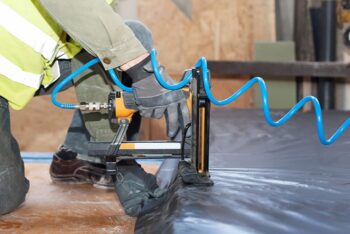
A vapor barrier should not be presented as a drainage system.
When water pools beneath a Vancouver home, covering the ground with new material may leave the reason for that accumulation unresolved.
ABA provides crawlspace drainage and moisture-management solutions when conditions support them.
Depending on the property, a drainage project can involve solutions designed to collect and direct accumulating water.
That work should be based on how water is actually behaving beneath the home rather than installed automatically because the region receives substantial rainfall.
Some crawlspaces need a vapor barrier.
Some have a separate drainage problem.
Some genuinely require both.
The inspection helps determine which situation applies.
New Ground Cover Should Not Be Installed Over Problems That Need Attention First
Installation sequence becomes particularly important when the crawlspace has been neglected.
A new vapor barrier can create a clean appearance, but it should not be used to conceal debris or unresolved material problems.
Before installation, ABA may evaluate for:
- Old crawlspace debris
- Fallen or deteriorated insulation
- Rodent-related damage
- Mold-related conditions
- Standing water
- Physically damaged flexible ductwork
- Poor previous ground-cover installation
Finding one of these conditions does not automatically turn a vapor barrier job into a full crawlspace restoration.
It simply means the homeowner should know what is present.
If additional corrective work is appropriate, it can be completed in a logical order before the new barrier is installed.
Crawlspace Cleaning and Vapor Barrier Installation Often Work Together
Some crawlspaces need preparation before new ground covering goes down.
If debris, damaged material, or deteriorated old barrier sections interfere with installation, cleaning can become the first step.
ABA provides crawlspace cleaning and restoration services for situations where more preparation is required.
The scope should remain proportional to the problem.
A relatively clean East Mill Plain crawlspace with deteriorated ground cover may need straightforward vapor barrier work.
A neglected crawlspace in an older Vancouver property may contain fallen insulation, old debris, rodent damage, and incomplete ground coverage that make a more involved restoration practical.
Neither scenario should be assumed before inspection.
Vapor Barriers and Crawlspace Insulation Solve Different Problems
Because both components are located beneath the house, homeowners sometimes assume they must always be replaced together.
They do different jobs.
Vapor barriers help limit moisture vapor moving upward from exposed soil.
Crawlspace insulation helps reduce unwanted heat transfer through the floor assembly.
A Vancouver crawlspace can therefore have an inadequate vapor barrier while the insulation remains serviceable.
The opposite is also possible.
ABA evaluates insulation for its own condition, including whether it has fallen, deteriorated, been extensively damaged by rodents, been significantly affected by moisture, or was installed incorrectly.
If the insulation is still performing as intended, a vapor barrier project should not automatically become an insulation replacement project.
When both genuinely need work, coordinating them can make sense.
Rodent Activity Can Reveal Problems Above the Vapor Barrier
Rodents can disturb ground-cover material, but the inspection should not stop there.
Flexible ductwork and insulation can also be affected.
ABA frequently works in crawlspaces where these components coexist, making it possible to identify whether a rodent-related problem extends beyond the barrier itself.
For example, a homeowner may have:
- Disturbed or damaged insulation
- Torn flexible ducts
- Damaged vapor-barrier material
- Debris associated with the activity
Each condition requires its own decision.
Installing a new vapor barrier does not repair a torn duct.
Replacing a damaged flexible duct does not correct exposed crawlspace soil.
And rodent evidence in one location does not automatically justify replacing all insulation.
ABA separates the issues so the project can address what is actually damaged.
Mold-Related Conditions Should Be Addressed Before They Are Covered
If mold-related growth is discovered during the crawlspace inspection, new plastic is not a substitute for remediation.
ABA provides a two-step mold remediation process for affected crawlspace and attic areas.
When inadequate ground coverage is also contributing to the crawlspace moisture environment, vapor barrier installation may become one part of the broader corrective plan.
The distinction matters.
Remediation addresses the affected area.
The vapor barrier helps manage moisture movement from the ground.
Installing a vapor barrier cannot guarantee that mold will never recur because crawlspace conditions can be influenced by several moisture sources.
Appropriate ground coverage can, however, help address one potential contributor.
Vancouver’s Housing Variety Makes Condition More Important Than Age
Vancouver contains some of Southwest Washington’s most varied residential areas.
Hough is among the city’s oldest neighborhoods, with a significant collection of pre-World War II homes. Fourth Plain Village contains many smaller homes dating to the 1930s and 1940s along with older structures and contemporary infill. Bagley Downs includes both single-family and multifamily housing.
Development farther east adds homes from later periods.
These differences are useful context, but they should not become shortcuts for diagnosing a crawlspace.
An older house may have an excellent modern vapor barrier.
A newer property can have incomplete ground coverage.
A remodeled home may contain crawlspace materials installed during several different projects.
Whether the property is around Hough, Arnada, Shumway, Fourth Plain Village, Bagley Downs, Vancouver Heights, East Mill Plain, or farther toward the 164th Avenue corridor, ABA evaluates what is beneath the house today.
When Vapor Barrier Installation Becomes Part of a Larger Restoration
Sometimes the vapor barrier is the main problem.
Other times, inspection reveals several conditions that are better addressed together.
Depending on the findings, a larger Vancouver crawlspace project can include:
- Crawlspace cleaning
- Removal of compromised insulation
- Mold remediation when appropriate
- Drainage or moisture-management work
- Vapor barrier installation
- Replacement crawlspace insulation
- Evaluation of physically damaged ductwork
This is not a standard package.
Each service should solve an identifiable problem.
A homeowner with exposed soil but no standing water should not automatically receive the same moisture-control recommendation as someone whose crawlspace regularly collects water.
Likewise, a deteriorated vapor barrier does not prove the insulation or ductwork needs replacement.
Keeping those decisions separate makes the project easier to understand.
Why Vancouver Homeowners Choose ABA for Vapor Barrier Installation
ABA HVAC & Crawlspace Solutions takes an inspection-driven approach to crawlspace projects, focusing on long-term corrective work instead of quick cosmetic fixes.
Owner David Moshe has more than 15 years of industry experience, and David personally supervises ABA projects.
For Vancouver vapor barrier work, ABA emphasizes:
Crawlspace Inspection First: Existing ground coverage and surrounding conditions are evaluated before replacement is recommended.
Appropriate Ground Coverage: The installation is intended to address exposed soil and ground-moisture movement rather than simply improve appearance.
Condition-Based Recommendations: A serviceable existing vapor barrier does not automatically need replacement.
Separate Solutions for Separate Problems: Standing water, damaged insulation, mold-related conditions, and damaged ductwork are evaluated independently.
Crawlspace Restoration Experience: ABA can coordinate cleaning, insulation, drainage, remediation, and relevant ductwork services when those conditions genuinely overlap.
Long-Term Problem Solving: Contributing conditions are considered before new materials are installed.
Direct Owner Oversight: David personally supervises ABA projects.
Upfront Pricing: ABA emphasizes transparent pricing with no hidden fees.
Complimentary Estimates: Vancouver homeowners can request an estimate based on the actual crawlspace conditions and proposed scope.
This approach allows a simple vapor barrier replacement to remain focused while providing a path forward when the crawlspace genuinely needs more extensive restoration.
Find Out What Your Vancouver Crawlspace Needs Before Covering the Ground
A deteriorated vapor barrier, exposed soil, and standing water are not the same problem.
Identifying the difference is the first step toward choosing the right moisture-control work.
ABA HVAC & Crawlspace Solutions provides Vapor Barrier Installation in Vancouver, WA with an inspection-driven approach that evaluates existing ground coverage, preserves serviceable materials where appropriate, and identifies separate crawlspace conditions before new material is installed.
Request a complimentary estimate from ABA HVAC & Crawlspace Solutions to have your Vancouver crawlspace inspected and determine whether vapor barrier installation, replacement, drainage, or another focused corrective solution makes sense for your home.