Crawl Space Cleaning Vancouver WA for Rodent Damage, Moisture, and Neglected Crawlspaces
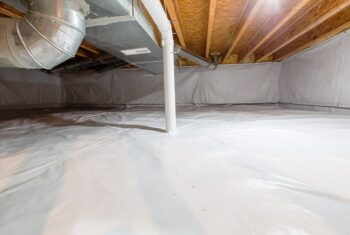
ABA HVAC & Crawlspace Solutions provides professional Crawl Space Cleaning in Vancouver, WA for homeowners dealing with rodent activity, fallen insulation, damaged ductwork, deteriorated vapor barriers, debris, standing water, moisture, and other conditions hidden beneath the home. Vancouver’s housing ranges from older properties in Hough and Fourth Plain Village to later development around East Mill Plain and farther east, creating crawlspaces with very different materials and maintenance histories. Combined with Southwest Washington’s long wet season, those differences make an inspection especially useful before deciding whether a property needs basic cleanup or a more involved crawlspace restoration.
The crawlspace is easy to forget because most homeowners rarely enter it.
When a problem develops, the first warning may be an unusual odor, evidence of rodents, a cold floor, or something discovered during unrelated work beneath the house.
ABA approaches crawlspace cleaning as more than debris removal. The objective is to determine what has been affected, remove damaged material when appropriate, and identify contributing conditions that could undermine the restoration if they are ignored.
Older Vancouver Homes Can Have Complicated Crawlspace Histories
Vancouver has some particularly established residential areas. Fourth Plain Village includes many smaller homes dating from the 1930s and 1940s, while Hough contains a substantial collection of pre-World War II housing.
That does not mean an older home automatically has a crawlspace problem.
It does mean the space beneath the house may have experienced decades of repairs, insulation upgrades, duct modifications, vapor-barrier work, and changing ownership.
During an inspection, ABA may encounter:
- Fallen or deteriorated insulation
- Rodent evidence
- Torn flexible ductwork
- Aging metal ductwork
- Old debris
- Damaged vapor-barrier material
- Exposed soil
- Standing water
- Moisture-related deterioration
- Musty or unusual odors
- Mold-related conditions
- Previous incomplete repairs
- Accessible breaches associated with rodent activity
A newer Vancouver home can develop many of the same problems.
That is why ABA does not use the construction date as a substitute for inspecting the crawlspace.
Rodent Damage Can Affect Several Systems Beneath the Home
Rodent activity is one reason a crawlspace cleanup can become more extensive than expected.
Animals may disturb insulation, damage flexible ducts, leave unwanted material, and use accessible breaches to move into and out of the space.
ABA evaluates how widespread the problem is before recommending removal or replacement.
Insulation May Be Fallen, Damaged, or Contaminated
Crawlspace insulation should not automatically be replaced because rodents have been present somewhere beneath the home.
The affected material needs to be evaluated.
One crawlspace might have a localized area of disturbance while insulation elsewhere remains serviceable. Another could have widespread fallen or damaged material.
When insulation is no longer suitable to remain, ABA can remove it and install replacement material as part of the restoration.
The goal is to replace what is actually compromised rather than turn every rodent-related inspection into complete insulation replacement.
Flexible Ductwork May Also Be Damaged
Rodents can tear flexible insulated ducts running through a crawlspace.
Physical duct damage requires a different solution from duct cleaning.
Cleaning removes accumulated material from inside a duct system. It cannot restore a torn exterior, repair a disconnected section, or reverse significant deterioration.
When damaged ductwork is found, ABA can evaluate whether repair or replacement is appropriate based on its condition.
Visible Access Points Deserve Attention
A crawlspace restoration should also consider obvious breaches associated with recurring rodent access when those conditions are visible and within the project scope.
Removing damaged material without considering how the problem developed can leave replacement materials exposed to another round of activity.
ABA’s approach is to reduce recurrence risk where practical rather than simply remove evidence and move on.
Vancouver’s Wet Seasons Make Crawlspace Moisture Hard to Ignore
A damp crawlspace needs more than a cosmetic cleanup.
If moisture has affected insulation or other materials, the reason deserves investigation before replacements are installed.
Vancouver’s seasonal rainfall makes moisture management relevant, but climate alone is not evidence that every crawlspace requires drainage, encapsulation, or a new vapor barrier.
The actual condition determines the recommendation.
Check the Ground Coverage
A vapor barrier helps limit moisture movement from exposed soil into the crawlspace.
If an existing barrier has torn, shifted, deteriorated, or was installed with significant areas of soil left exposed, correction may be appropriate.
ABA has encountered poor previous vapor-barrier installations where coverage was incomplete.
However, a serviceable barrier should not automatically be discarded simply because crawlspace cleaning is being performed.
Standing Water Requires a Different Conversation
Standing water and ground moisture are not identical problems.
Installing a new vapor barrier over a crawlspace with active water accumulation may not correct why the water is there.
When standing water is present, ABA evaluates the condition to determine whether a drainage or moisture-management solution deserves consideration.
The appropriate response depends on what is happening at the individual property rather than a universal drainage package.
New Materials Should Not Go Into an Unresolved Moisture Problem
If insulation has been significantly affected by damp conditions, replacing it before dealing with the relevant moisture contributor can create an incomplete restoration.
The better sequence is to understand the crawlspace environment first.
Once relevant conditions have been addressed where practical, replacement materials can be installed with a clearer long-term plan.
Crawlspace Cleaning Can Reveal Previous Repairs That Did Not Hold Up

One challenge in established Vancouver housing is that today’s homeowner may have no idea what was done beneath the house years ago.
A previous owner may have installed insulation, replaced sections of ductwork, added a vapor barrier, or attempted repairs.
Some of that work may remain perfectly serviceable.
Other work may have been incomplete from the beginning.
ABA may encounter issues such as:
Incomplete Vapor-Barrier Coverage: Sections of soil remain unnecessarily exposed.
Poor Insulation Installation: Materials are missing, improperly positioned, or no longer secured.
Temporary Duct Repairs: Flexible duct damage received a short-term patch rather than a durable correction.
Unaddressed Moisture: Replacement materials were installed without resolving a significant water condition.
ABA does not recommend replacing previous work merely because another contractor performed it.
The question is whether that work is functioning appropriately today.
Musty or Unusual Odors Are Reasons to Inspect
An odor inside the home can sometimes prompt homeowners to investigate the crawlspace.
Musty smells, unusual animal odors, or other persistent odors may be associated with conditions below the floor, but smell alone cannot establish the cause.
An inspection is more useful than guessing.
ABA can evaluate the crawlspace for moisture, damaged materials, rodent evidence, standing water, vapor-barrier deficiencies, and visible mold-related conditions.
When mold-related remediation is appropriate, ABA uses a two-step process and considers identifiable moisture contributors where relevant.
The objective is to address the existing condition and reduce the risk of recurrence.
ABA does not present crawlspace cleaning or mold remediation as a medical treatment, nor should any contractor promise that mold can be permanently prevented from returning.
When Cleaning Turns Into a Larger Crawlspace Restoration
Some Vancouver crawlspaces need a relatively limited cleanout.
Others contain several overlapping problems.
A larger restoration may be justified when the inspection finds widespread rodent damage, extensive deteriorated insulation, damaged ductwork, poor ground coverage, significant moisture problems, or mold-related conditions.
When several problems are present, organizing the work in a logical sequence matters.
Remove Compromised Materials
Damaged insulation and unnecessary debris can be removed when they are no longer suitable to remain.
This can also improve access to the rest of the crawlspace.
Evaluate Moisture Conditions
Standing water, exposed soil, or a deteriorated vapor barrier should be understood before installing replacement materials.
Inspect Accessible Ductwork
Visible tears, rodent damage, disconnections, or deterioration can be separated from the cleaning scope and addressed as duct repair or replacement when necessary.
Correct Relevant Contributing Conditions
When a practical cause of recurring damage can be identified, ABA focuses on correcting it rather than simply covering the symptom.
Restore the Crawlspace
Once the space is ready, necessary insulation, vapor-barrier material, or damaged duct sections can be replaced according to the project scope.
A larger project should always be supported by what the inspection finds.
Crawlspace Insulation Should Be Replaced Based on Condition
Cleaning beneath the home does not automatically mean the insulation needs to go.
Insulation that remains properly installed and serviceable may be able to stay.
Replacement becomes more appropriate when material has fallen, deteriorated, been extensively damaged by rodents, been significantly affected by moisture, or was installed incorrectly.
Proper crawlspace insulation can support the thermal envelope and reduce unnecessary heat transfer through the floor assembly.
That can help the HVAC system maintain indoor temperatures more efficiently.
But insulation should not be presented as a guaranteed solution to every comfort or energy concern.
Windows, doors, ductwork, attic insulation, air leakage, HVAC operation, and other building conditions can also influence home performance.
When the source of potential energy loss is unclear, ABA can use FLIR thermal imaging to identify areas that may deserve closer investigation, including floors, walls, attics, windows, doors, and ductwork.
Vancouver’s Neighborhood Variety Reinforces the Need for Inspection
The crawlspace beneath a vintage Fourth Plain Village home may look very different from one beneath a property in East Mill Plain.
Hough contains some of Vancouver’s oldest housing. Fruit Valley includes a notable collection of World War II-era homes. Other neighborhoods such as Bagley Downs, Shumway, Arnada, and Vancouver Heights reflect additional periods and styles of residential development.
Meanwhile, Vancouver continues to plan for new development and infill along corridors such as Fourth Plain, Mill Plain, 164th, and 192nd.
That mix makes generic age-based recommendations particularly unhelpful.
An older property may already have serviceable insulation and an appropriately installed vapor barrier.
A newer property can still develop rodent damage or standing water.
A remodeled home may contain crawlspace components installed during several different projects.
ABA uses neighborhood and housing history as context.
The inspection determines the work.
Why Vancouver Homeowners Choose ABA for Crawl Space Cleaning
ABA HVAC & Crawlspace Solutions was established in July 2020, and owner David Moshe brings more than 15 years of industry experience involving crawlspaces, insulation, ductwork, and HVAC-related work.
David personally supervises ABA projects, providing direct oversight for work that homeowners may not be able to inspect easily themselves.
For crawlspace cleaning and restoration, ABA emphasizes:
Inspection Before Replacement: Determine which materials are actually compromised before removing them.
Long-Term Corrective Solutions: Look beyond fallen insulation or damaged material to relevant contributing conditions.
Whole-Home Thinking: Crawlspace moisture, insulation, vapor barriers, ductwork, attic conditions, and energy loss can interact.
Condition-Based Recommendations: Older materials are not automatically defective, and one isolated problem does not automatically justify complete restoration.
Clear Explanations: Homeowners should understand what will be cleaned, what can stay, and why additional work is recommended.
Upfront Pricing: ABA emphasizes transparent pricing with no hidden fees.
Free Estimates: Vancouver homeowners can request an estimate based on the condition of the crawlspace and the work being considered.
This approach allows a limited cleanup to remain limited while giving homeowners a plan when several crawlspace problems genuinely need to be addressed together.
Find Out What Your Vancouver Crawlspace Actually Needs
A crawlspace with limited debris should not receive the same recommendation as one with widespread rodent damage.
A deteriorated vapor barrier is different from a standing-water problem.
And damaged flexible ductwork requires a different solution from duct cleaning.
ABA HVAC & Crawlspace Solutions provides Crawl Space Cleaning in Vancouver, WA with an inspection-driven approach that separates these conditions and builds the project around what is actually happening beneath the home.
The goal is to remove materials that should not remain, preserve serviceable components, address relevant contributing conditions, and avoid unnecessary work.
Request a free estimate from ABA HVAC & Crawlspace Solutions to have your Vancouver crawlspace evaluated and determine whether you need a focused cleanup, targeted corrective work, or a more complete crawlspace restoration.