Crawl Space Cleaning Lacey WA for Moisture, Rodent Damage, and Neglected Crawlspaces
ABA HVAC & Crawlspace Solutions provides professional Crawl Space Cleaning in Lacey, WA for homeowners who discover fallen insulation, rodent activity, damaged ductwork, deteriorated vapor barriers, debris, standing water, or moisture-related conditions beneath their homes. From established properties around College Street and Long Lake to residential areas near Horizon Pointe and continued development around Hawks Prairie, Lacey homes can have very different crawlspace histories. ABA begins by inspecting the space and identifying what has actually been affected before recommending cleanup, insulation replacement, vapor-barrier work, moisture management, or duct repairs.
A crawlspace can go unnoticed because it is not part of the home most people regularly see.
Problems underneath the floor may therefore continue until an odor, rodent issue, inspection, HVAC project, or moisture concern finally draws attention to the area.
Professional crawlspace cleaning gives homeowners an opportunity to find out what is happening below the home and address damaged materials before the condition becomes more extensive.
What Does Your Lacey Crawlspace Actually Need Cleaned?
Not every neglected crawlspace requires complete restoration.
The first job is separating materials that need removal from components that remain serviceable.
An inspection may uncover:
- Fallen or deteriorated insulation
- Rodent evidence
- Damaged flexible ductwork
- Aging metal ductwork
- Debris or deteriorated materials
- A torn or displaced vapor barrier
- Areas of exposed soil
- Standing water
- Persistent moisture
- Musty or unusual odors
- Visible mold-related conditions
- Poor previous insulation work
- Accessible breaches associated with animal activity
Finding one of these conditions does not prove that every other crawlspace component is defective.
For example, a vapor barrier can remain serviceable even when rodents have damaged insulation above it. Another property may have intact insulation but poor ground coverage or a localized standing-water problem.
ABA’s job is to distinguish those conditions instead of automatically bundling every crawlspace service together.
Rodent Activity Can Leave More Than a Cleanup Problem
Rodent evidence is one of the situations that can change the scope of crawlspace cleaning considerably.
Animals can disturb insulation, tear flexible ductwork, leave unwanted material, and move through accessible openings.
The amount of damage determines what should happen next.
Fallen Insulation Should Be Evaluated Before It Is Reinstalled
If insulation has fallen because of extensive damage or contamination, simply putting it back into position may not provide a suitable long-term solution.
ABA evaluates whether the material can remain or should be removed and replaced.
This matters because crawlspace insulation supports the home’s thermal envelope. Replacement should address material that is genuinely compromised without unnecessarily discarding insulation that remains in serviceable condition.
Flexible Ducts Can Be Damaged Beneath the Home
Rodents can also tear flexible insulated ductwork.
This creates a different problem from dirty ducts.
Air duct cleaning removes accumulated material from inside a duct system. It does not repair a physical tear, disconnected section, or deteriorated duct.
When ABA finds duct damage during a crawlspace project, the condition can be evaluated separately for repair or replacement.
Homeowners should understand that distinction rather than being told duct cleaning will correct physical damage.
Recurring Access Deserves Attention
Cleaning away evidence of rodent activity without considering obvious accessible breaches can leave an important part of the situation unresolved.
Where relevant to the project, ABA can identify and address visible crawlspace breaches that may allow animals back into the space.
The objective is to reduce recurrence risk while restoring affected materials—not to promise that a crawlspace can be made permanently immune to future animal activity.
Lacey’s Wet Seasons Make the Ground Beneath the Home Important
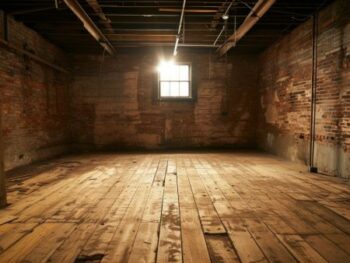
Moisture can significantly affect what needs to happen during a crawlspace restoration.
Lacey’s Pacific Northwest climate makes seasonal moisture an important consideration, but local rainfall alone does not mean every home has a crawlspace problem.
The condition beneath the individual property matters.
If an inspection reveals exposed soil, an incomplete vapor barrier, standing water, or moisture-damaged materials, those findings can help determine whether cleaning is enough or moisture-management work is also needed.
A Vapor Barrier Helps Manage Ground Moisture
A crawlspace vapor barrier provides coverage over the soil.
ABA has encountered previous installations where barriers were incomplete or poorly positioned, leaving areas of ground exposed.
If the existing barrier is torn, deteriorated, displaced, or incomplete, correcting it can be incorporated into the restoration when appropriate.
If the barrier remains in suitable condition, it should not automatically be replaced just because another crawlspace service is being performed.
Standing Water Is Different From Exposed Soil
A new vapor barrier is not automatically the answer to standing water.
Water accumulating beneath a Lacey home may require investigation of the source, location, and severity before an appropriate moisture-management plan can be developed.
Depending on what is found, drainage may become part of the solution.
This distinction matters because ground-moisture control and actual water accumulation are related but different issues.
ABA bases recommendations on the condition rather than assuming every wet crawlspace needs the same system.
Cleanup Should Come Before Installing New Materials
When a crawlspace contains multiple problems, the order of work can influence the quality of the finished project.
Installing new insulation while damaged material and unresolved moisture conditions remain beneath the home can create an incomplete restoration.
A more deliberate project may involve:
Removing Damaged Materials: Clear out insulation or other materials that are no longer suitable to remain.
Improving Access and Visibility: Removing unnecessary debris makes important areas easier to inspect.
Evaluating Moisture: Determine whether the crawlspace has a vapor-barrier deficiency, standing water, or another relevant moisture condition.
Inspecting Ductwork: Check accessible ducts when rodent activity or visible damage suggests a problem.
Correcting Relevant Conditions: Address contributing issues that could affect replacement materials where practical.
Installing Replacement Materials: Replace insulation, vapor-barrier material, or damaged ductwork only when the inspection supports that work.
This approach keeps crawlspace cleaning from becoming a superficial cleanup that leaves the reasons behind the damage untouched.
Poor Previous Work Can Become Visible During Crawl Space Cleaning
Some crawlspaces contain problems caused or worsened by earlier workmanship.
Because homeowners rarely enter these areas, incomplete work can remain hidden for years.
An inspection may reveal insulation that was poorly installed, a vapor barrier that leaves substantial soil exposed, or flexible ductwork that received a temporary patch instead of an appropriate long-term correction.
ABA emphasizes correcting the underlying condition rather than simply repeating an ineffective repair.
That does not mean every older installation needs to be redone.
Previous work that remains serviceable can stay.
But when an existing installation is clearly contributing to the problem, a crawlspace restoration provides an opportunity to correct it properly.
Mold-Related Conditions Need More Than a Surface Cleanup
A musty odor or visible discoloration may prompt a homeowner to investigate the crawlspace, but those observations alone should not be used to make sweeping conclusions.
When mold-related conditions are confirmed and remediation is appropriate, ABA uses a two-step remediation process.
The surrounding moisture conditions also deserve attention.
If excess moisture, standing water, or another identifiable contributor is involved, treating visible growth without addressing the contributing condition can leave the restoration incomplete.
Damaged insulation may also need removal when it has been significantly affected.
ABA’s objective is to address the existing condition and reduce the risk of recurrence where practical.
It is not appropriate to promise permanent mold elimination or make medical claims about what a crawlspace service will do for occupants.
Crawlspace Insulation Can Affect the Home Above It
Crawlspace cleaning sometimes reveals insulation that has deteriorated so extensively that replacement should be considered.
Properly installed insulation can help reduce unnecessary heat transfer through the floor assembly and support more consistent indoor comfort.
However, insulation replacement should not be sold as an automatic part of cleaning.
ABA evaluates:
- How much insulation is damaged
- Whether unaffected sections can remain
- Whether the existing installation is appropriate
- Whether moisture could affect replacement material
- Whether rodent activity has disturbed the insulation
- Whether other potential energy-loss areas deserve investigation
When broader home-performance concerns exist, ABA can also use FLIR thermal imaging to identify potential energy-loss areas associated with floors, attics, walls, windows, doors, and ductwork.
That whole-home perspective is useful because a cold floor or uncomfortable room does not automatically prove that crawlspace insulation is the only cause.
Lacey’s Different Residential Areas Can Have Very Different Crawlspaces
Lacey has continued to add housing while retaining established residential areas.
Development around Hawks Prairie has included residential communities alongside the area’s commercial growth, while Long Lake, College Street, Horizon Pointe, and other parts of the city represent different periods and styles of residential development.
For crawlspace work, those differences reinforce one important principle:
Home age does not determine crawlspace condition.
An established house near Long Lake may have a crawlspace that has already received thoughtful insulation and vapor-barrier improvements.
A newer property near Hawks Prairie can still experience rodent activity or develop a localized moisture issue.
A home around College Street may contain previous repairs from multiple owners.
Properties near Marvin Road, Martin Way, Carpenter Road, and other well-traveled parts of Lacey can likewise have crawlspaces with very different construction and maintenance histories.
ABA uses local context to understand the property, but the recommendation comes from inspecting the space beneath the home.
When Cleaning Becomes a Larger Crawlspace Restoration
Some projects remain relatively limited.
Others reveal several connected conditions.
A larger restoration may be appropriate when an inspection finds a combination such as widespread damaged insulation, compromised ductwork, a deteriorated vapor barrier, extensive rodent evidence, or significant moisture problems.
In that situation, coordinating the work can make more sense than treating every issue as an unrelated appointment.
The project might involve removal first, moisture-related corrections where needed, duct replacement where physical damage is present, and new insulation after the space is ready.
The important point is that a larger scope should be justified by findings.
A homeowner who needs debris removed should not automatically be sold complete insulation replacement.
Likewise, a crawlspace with extensive damage should not receive a minimal cleanup simply because that is the quickest option.
Why Lacey Homeowners Choose ABA for Crawl Space Cleaning
ABA HVAC & Crawlspace Solutions was established in July 2020, and owner David Moshe has more than 15 years of industry experience involving crawlspaces, insulation, ductwork, and HVAC-related work.
David personally supervises ABA projects, providing direct oversight for work that is often difficult for homeowners to inspect themselves.
The company’s crawlspace approach emphasizes:
Inspecting Before Recommending: Determine what is damaged and what remains serviceable.
Long-Term Corrective Work: Consider why insulation, ductwork, vapor barriers, or other materials were affected.
Whole-Home Awareness: Crawlspace insulation, moisture, ducts, attic conditions, and energy loss can interact.
No Arbitrary Replacement: Materials are evaluated according to their condition rather than replaced automatically because of age.
Homeowner Education: Customers should understand what was found and why each part of the project is being recommended.
Upfront Pricing: ABA emphasizes transparent pricing with no hidden fees.
Free Estimates: Lacey homeowners can request an estimate based on the conditions and work being considered.
The result is a crawlspace plan built around the home rather than a predetermined cleaning package.
Find Out What Is Happening Beneath Your Lacey Home
A crawlspace with a small amount of debris does not need the same solution as one with widespread rodent damage.
A damaged vapor barrier does not automatically mean the home needs drainage.
And fallen insulation should not simply be replaced before relevant moisture or animal-related conditions are understood.
ABA HVAC & Crawlspace Solutions provides Crawl Space Cleaning in Lacey, WA with an inspection-driven approach that separates necessary cleanup from insulation, moisture management, vapor-barrier work, duct repair, and other corrective services.
The objective is straightforward: identify what is damaged, preserve what remains serviceable, address relevant contributing conditions, and build the project around the actual crawlspace.
Request a free estimate from ABA HVAC & Crawlspace Solutions and have your Lacey crawlspace inspected to determine what needs cleaning, what can remain, and what corrective work—if any—should be completed for a longer-term solution.