Attic Insulation Vancouver WA for Damaged, Missing, and Ineffective Insulation
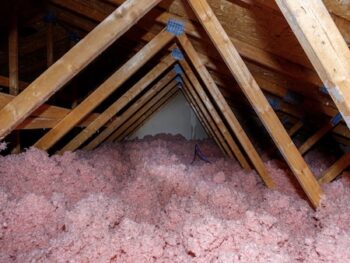
ABA HVAC & Crawlspace Solutions provides professional Attic Insulation in Vancouver, WA for homeowners dealing with inadequate coverage, deteriorated materials, rodent-damaged insulation, moisture-related problems, or an attic that may be contributing to unnecessary energy loss. Vancouver includes everything from established homes around Hough, Arnada, Shumway, and Fourth Plain to newer residential areas farther east. Because construction history, remodeling, ventilation, and existing insulation can differ considerably from one property to another, ABA begins with an attic inspection rather than assuming every home needs complete insulation replacement.
The age of insulation alone does not determine whether it should come out.
Insulation that remains dry, correctly installed, and undisturbed can continue performing for many years. Material affected by rodents, moisture, contamination, poor installation, or significant gaps presents a different situation.
For Vancouver homeowners, the goal is to determine which condition exists before deciding what to install.
Start With the Condition of the Attic, Not the Age of the Insulation
It can be tempting to assume that an older Vancouver home automatically needs new attic insulation.
That is not always true.
A house may be decades old but have insulation that was upgraded by a previous owner. Another property may be relatively new but contain material that has been disturbed by rodents or affected by moisture.
ABA evaluates the attic as it exists today.
Conditions that can justify a professional insulation inspection include:
- Missing insulation in visible areas
- Significant gaps or inconsistent coverage
- Insulation that has shifted or fallen out of position
- Rodent activity
- Contaminated or damaged material
- Moisture-related deterioration
- Mold-related attic conditions
- Poorly fitted insulation
- Insulation obstructing intended ventilation
- Unexplained comfort differences between rooms
- An attic with an unknown renovation or insulation history
The presence of one warning sign does not automatically mean all insulation needs replacement.
It means the attic deserves a closer look.
Three Ways an Attic Insulation Project Can Develop
Vancouver homeowners often think of attic insulation as a simple choice between leaving everything alone and replacing everything.
In practice, there is considerable room between those options.
Existing Insulation Can Remain
If the material is dry, serviceable, properly positioned, and providing suitable coverage, there may be no reason to remove it solely because it is old.
An inspection may instead identify one or two areas that need attention.
This is particularly relevant in established Vancouver homes that may have undergone previous energy-efficiency improvements.
Coverage Needs Improvement
Some attics contain serviceable insulation but have gaps, uneven distribution, or sections where coverage is inadequate.
In these cases, the project may focus on correcting the deficient areas rather than discarding material that is still useful.
Installation quality matters as much as simply having insulation present.
Damaged Material Needs Removal and Replacement
Rodent contamination, moisture damage, significant deterioration, or another extensive problem can make removal appropriate.
ABA can remove compromised insulation and install replacement material after relevant contributing conditions have been evaluated.
This sequence prevents new insulation from simply covering a problem that should have been addressed first.
Vancouver’s Wet Seasons Make Attic Moisture an Important Part of the Inspection
Insulation is not designed to solve an active attic moisture problem.
If existing material is damp or deteriorating, the question should not be limited to what type of insulation should replace it.
The source deserves attention.
Southwest Washington’s cool, wet seasons make attic ventilation especially worth evaluating when moisture-related evidence is present.
Insulation and ventilation perform different functions. Insulation reduces heat transfer between the living area and the attic, while ventilation supports intended airflow through the attic space.
Both need to function without interfering with each other.
Insulation Should Not Obstruct Intended Airflow
One issue can occur near the eaves when insulation blocks soffit ventilation.
Where appropriate, baffles can help maintain the intended airflow pathway while keeping insulation where it belongs.
This can be especially important during a larger insulation replacement because installing new material without correcting an obvious ventilation obstruction can reproduce the previous problem.
ABA evaluates ventilation when attic conditions indicate it is relevant rather than automatically adding ventilation work to every insulation project.
Moisture-Damaged Insulation Should Lead to a “Why?” Question
Removing deteriorated insulation solves the material problem.
It does not necessarily solve the condition that damaged the material.
If an inspection identifies a ventilation deficiency or another moisture contributor, addressing it before or alongside replacement can help reduce the risk of recurrence.
That is central to ABA’s approach: understand why the problem developed rather than simply cover the visible result.
Rodent Activity Can Change What Should Stay and What Should Go
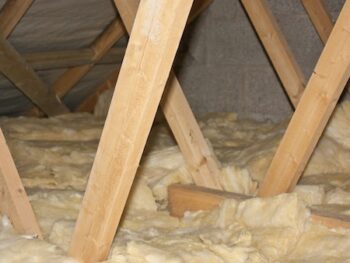
Rodents are another common reason homeowners begin looking at attic insulation more closely.
Animal activity can disturb insulation, move it away from its intended location, and contaminate affected areas.
However, the presence of rodent evidence does not automatically mean every piece of insulation must be removed.
ABA evaluates how widespread the problem is.
For example, an attic may have a limited area of disturbed material while the remaining insulation stays serviceable. Another property may show extensive damage across a much larger portion of the attic.
Those homes should not receive identical recommendations.
During an attic evaluation, ABA can consider:
Extent of the Damage: How much insulation has actually been affected?
Remaining Material: Is unaffected insulation still suitable to remain?
Accessible Ductwork: Is there evidence that nearby ducts have also been disturbed or damaged?
Ventilation Areas: Has insulation been moved into places where it interferes with airflow?
Visible Entry Conditions: Is there an obvious contributing condition that could expose replacement material to another problem?
The objective is to create an appropriate restoration plan without making the scope larger than the attic requires.
Mold-Related Conditions May Require Insulation and Ventilation Work to Be Coordinated
Visible mold-related conditions can make an attic insulation project more complex.
Installing new insulation is not mold remediation.
Likewise, treating visible growth without considering an obvious moisture or ventilation contributor may leave the attic vulnerable to another problem.
ABA performs attic and crawlspace mold-related work using a two-step remediation process. The company’s project experience also includes attic insulation replacement performed together with mold remediation when the condition of the attic required both services.
When these issues overlap, the order of work matters.
Compromised insulation may need removal.
Mold-related conditions can then be addressed.
Relevant moisture or ventilation contributors should be evaluated.
Replacement insulation can follow when the attic is ready for it.
The purpose is to correct existing conditions and reduce the risk of recurrence, not to make unrealistic promises that mold can never develop again.
The Best Insulation Choice Depends on the Vancouver Home
There is no single attic insulation material that is automatically right for every property.
Attic configuration, existing insulation, accessibility, material condition, ventilation, and the overall project scope all influence the decision.
ABA works with attic insulation materials including fiberglass batt insulation and evaluates the property before recommending an installation approach.
Fiberglass Batt Insulation
Fiberglass batts are manufactured in sections that can provide an effective insulation layer when fitted properly.
Installation details are important.
Gaps between batts, compression, poorly fitted edges, and displaced sections can reduce the consistency of the thermal barrier.
That means material selection alone does not determine the quality of an insulation project.
How the insulation is installed matters.
Existing Material Changes the Installation Plan
An attic that is largely empty presents a different project from one already containing serviceable insulation.
Likewise, an attic with widespread damaged material should not automatically receive the same approach as one with a few deficient areas.
ABA determines what can remain, what should be corrected, and what needs removal before deciding how replacement insulation should be installed.
Attic Insulation Can Support Comfort and Reduce Unnecessary Energy Loss
The basic purpose of attic insulation is to resist heat transfer.
During cooler weather, it helps limit unnecessary heat movement out of the conditioned living space. During warmer periods, it helps reduce heat transfer from a hot attic toward the rooms below.
When insulation is missing, damaged, or poorly installed, correcting those deficiencies can support more consistent indoor comfort and help the HVAC system maintain temperatures more efficiently.
But insulation is not the only part of home performance.
Energy loss can also involve:
- Damaged or leaking ductwork
- Windows and exterior doors
- Wall insulation
- Crawlspace insulation
- Air leakage
- HVAC equipment
- Thermostat settings
- Attic ventilation
- Household usage
That is why ABA avoids treating every comfort complaint as proof that a homeowner needs more attic insulation.
When the source of potential energy loss is uncertain, ABA can use FLIR thermal imaging to identify areas that deserve closer evaluation, including attics, walls, floors, windows, doors, and ductwork.
The technology helps guide investigation. It does not replace a physical inspection or automatically justify insulation replacement.
Older Vancouver Homes Can Have Layers of Previous Insulation Work
Vancouver’s established neighborhoods make previous renovations an important consideration during attic inspections.
Homes around Arnada, Hough, Shumway, Fourth Plain Village, and nearby central Vancouver areas may have been altered many times since their original construction.
The insulation found today may not be original to the house.
A previous homeowner may have added another layer. Remodeling may have disturbed portions of the attic. HVAC, electrical, or ventilation work may have affected specific sections. Different materials may have been installed at different times.
As a result, ABA may encounter an attic where:
- Most insulation remains serviceable
- One area has substantially less coverage
- Different materials appear in separate sections
- Previous work disturbed insulation around utilities
- Older material remains beneath a newer layer
- Ventilation pathways have been partially obstructed
This is why home age should be treated as context rather than a replacement schedule.
The attic itself provides more useful information.
Attic and Duct Problems Can Sometimes Be Connected
Insulation is not the only material that may be hidden above the ceiling.
Depending on the home’s configuration, ductwork can also pass through attic areas.
If a homeowner reports a comfort problem and the insulation appears adequate, accessible ductwork may deserve attention.
A damaged or disconnected duct can affect air delivery even when the surrounding insulation is performing appropriately.
Conversely, ductwork may be completely sound while missing insulation above a particular room contributes to a comfort concern.
ABA works across attic insulation, ductwork, crawlspaces, and related home-performance services, allowing the investigation to follow the evidence.
That does not mean every insulation customer needs duct repair.
It means ABA does not have to force an insulation explanation onto a problem that originates somewhere else.
Insulation Replacement Should Solve a Defined Problem
A larger insulation project should have a clear reason behind it.
Before approving complete removal and replacement, Vancouver homeowners should understand what the inspection found.
Useful questions include:
What is wrong with the existing insulation?
How widespread is the problem?
Can any material remain?
Has moisture affected the insulation?
Is rodent damage localized or extensive?
Does ventilation need correction?
Will new insulation be installed differently from the old material?
Is another attic problem being addressed before replacement?
These questions help distinguish a carefully planned restoration from a generic recommendation to remove everything.
ABA emphasizes long-term solutions rather than quick fixes, so the proposed work should connect directly to the conditions discovered during inspection.
Why Vancouver Homeowners Choose ABA for Attic Insulation
ABA HVAC & Crawlspace Solutions was established in July 2020, and owner David Moshe brings more than 15 years of industry experience involving insulation, crawlspaces, ductwork, and related HVAC work.
David personally supervises ABA projects, providing direct oversight on work that often takes place in areas homeowners cannot easily inspect themselves.
For attic insulation projects, ABA emphasizes:
Inspection-Driven Recommendations: Existing materials are evaluated before replacement is proposed.
Long-Term Correction: Relevant moisture, ventilation, rodent, or installation problems are considered instead of simply adding another layer.
Whole-Home Thinking: Attic insulation can be evaluated alongside ductwork, crawlspaces, ventilation, and potential energy loss when those conditions overlap.
Condition-Based Replacement: Insulation does not automatically need removal because it reaches a certain age.
Homeowner Education: Customers should understand what can remain, what needs attention, and why.
Upfront Pricing: ABA emphasizes transparent project pricing with no hidden fees.
Free Estimates: Vancouver homeowners can request an estimate based on the condition and scope of the attic project.
Whether the property is near Fourth Plain, Shumway, Arnada, Hough, East Mill Plain, or another part of Vancouver, the recommendation should be built around that particular attic rather than a standard insulation package.
Find Out What Your Vancouver Attic Needs Before Replacing Insulation
An older attic does not automatically need complete insulation replacement.
A newer attic is not automatically problem-free.
What matters is whether the existing insulation is properly installed, adequately distributed, dry, serviceable, and free from significant damage.
ABA HVAC & Crawlspace Solutions provides Attic Insulation in Vancouver, WA with an inspection-driven approach that considers existing materials, rodent damage, moisture, ventilation, ductwork, and potential energy loss when those factors are relevant.
Some Vancouver homes need targeted improvements. Others need damaged insulation removed and replaced as part of a larger restoration. And when existing material remains suitable, homeowners should know that before paying for unnecessary removal.
Request a free estimate from ABA HVAC & Crawlspace Solutions and have your Vancouver attic evaluated before deciding whether additional insulation, targeted correction, or complete insulation replacement is the right next step.