
HVAC System Components: A Homeowner’s Guide to How Everything Works
Your HVAC system plays a major role in keeping your home comfortable year-round, cool in the summer, warm in the winter, and efficient every day in between. But for many homeowners, HVAC systems can feel confusing or overly technical.
At ABA HVAC and Crawlspace Solutions, we believe informed homeowners make better decisions. Below is a clear, easy-to-understand breakdown of the main HVAC system components, what each one does, how they work together, and why they matter for comfort, energy efficiency, and indoor air quality.
The Main Components of an HVAC System
Furnace
The furnace is the heart of most heating systems. It generates heat by burning gas, oil, or using electricity, then distributes that warm air throughout your home.
Why it matters:
A properly functioning furnace ensures consistent warmth, reliable winter comfort, and lower heating costs. Older or inefficient furnaces can waste energy and drive up utility bills.
Air Conditioner (AC Unit)
The air conditioning unit removes heat from your home during warm weather. It works by circulating refrigerant to absorb heat from indoor air and release it outside.
Why it matters:
Your AC unit keeps indoor temperatures comfortable while also helping control humidity, especially important during hot, muggy months.
Heat Pump
A heat pump can both heat and cool your home by transferring heat instead of generating it. In summer, it works like an AC. In winter, it pulls heat from outdoor air and moves it inside.
Why it matters:
Heat pumps are highly energy-efficient and ideal for homeowners looking to reduce energy usage and lower monthly bills.
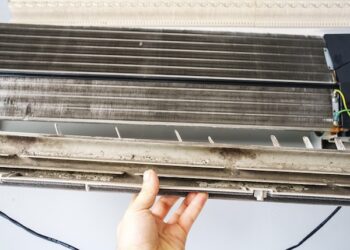
Evaporator Coil
The evaporator coil is located inside or near the air handler. It absorbs heat from indoor air as refrigerant passes through it.
Why it matters:
Dirty or damaged evaporator coils reduce cooling efficiency and can strain your entire HVAC system.
Condenser Coil
The condenser coil, located in the outdoor unit, releases the heat collected from inside your home into the outside air.
Why it matters:
A clean condenser helps your system cool efficiently and prevents overheating or system shutdowns.
Ductwork
Ductwork is the network of air channels that carries heated or cooled air throughout your home.
Why it matters:
Leaky or poorly designed ducts can waste up to 30% of conditioned air, leading to uneven temperatures and higher energy bills.
Thermostat
The thermostat controls your HVAC system by regulating temperature settings and signaling when heating or cooling is needed.
Why it matters:
Modern programmable or smart thermostats improve comfort, reduce energy usage, and give homeowners more control.
Air Filter
The air filter traps dust, pollen, pet dander, and other airborne particles before they circulate through your home.
Why it matters:
A clean air filter improves indoor air quality, protects HVAC components, and keeps your system running efficiently.
How These Components Work Together
Your HVAC system operates as a connected unit. The thermostat signals demand, the furnace or AC generates heating or cooling, the coils manage heat transfer, and the ductwork distributes air evenly. When one component isn’t working properly, it affects the entire system, comfort, efficiency, and reliability included.
Regular HVAC maintenance ensures all components work together smoothly and helps prevent costly breakdowns.
Why Understanding Your HVAC System Matters
Knowing the basics of your HVAC system helps you:
- Spot early signs of trouble
- Make informed repair or replacement decisions
- Improve energy efficiency
- Extend the lifespan of your system
- Maintain consistent indoor comfort
Contact ABA HVAC and Crawlspace Solutions
If your HVAC system isn’t keeping your home as comfortable or efficient as it should be, ABA HVAC and Crawlspace Solutions is here to help. Our experienced technicians provide reliable HVAC inspections, repairs, maintenance, and system upgrades. We also offer home remodeling services.
Contact us today to schedule service and ensure your HVAC system is running at peak performance year-round.