Crawl Space Insulation Lacey WA for Damaged, Missing, and Ineffective Insulation
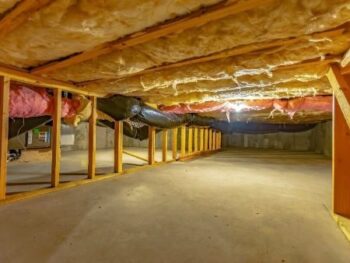
ABA HVAC & Crawlspace Solutions provides professional Crawl Space Insulation in Lacey, WA for homeowners dealing with fallen insulation, rodent damage, missing coverage, moisture-affected materials, or insulation that was poorly installed in the past. From established homes around College Street and Long Lake to residential development near Hawks Prairie and Horizon Pointe, Lacey properties can have very different crawlspace conditions. ABA evaluates the existing insulation, vapor barrier, moisture conditions, and accessible ductwork before determining what should stay, what should be replaced, and whether another crawlspace problem needs attention first.
Insulation beneath the floor is easy to forget because homeowners rarely see it.
When it remains properly installed and in serviceable condition, there may be no reason to disturb it.
When insulation starts falling, becomes damaged by rodents, is affected by moisture, or leaves significant gaps, an inspection can determine whether targeted correction or replacement makes sense.
Start With the Insulation That Is Already Beneath the Home
Crawlspace insulation replacement should not begin with the assumption that everything needs to come out.
ABA starts with its present condition.
The inspection can look for:
- Fallen or hanging insulation
- Missing sections
- Rodent-damaged material
- Moisture-affected insulation
- Poor previous installation
- Inconsistent coverage
- Deteriorated materials
- Nearby vapor-barrier problems
- Standing water or excessive moisture
- Damaged flexible ductwork
- Other crawlspace conditions that could affect new insulation
This approach can lead to very different recommendations.
One Lacey home may have mostly serviceable insulation with one damaged area. Another may have widespread fallen material after rodent activity. A third could have insulation affected by an unresolved moisture problem.
Those homes should not receive identical insulation projects.
Why Crawlspace Insulation Falls or Becomes Damaged
Fallen insulation is a visible problem, but it is also a clue.
Before simply reinstalling material, it helps to understand why it is no longer where it belongs.
Rodent Activity Can Disturb Insulation
Rodents can damage or displace crawlspace insulation.
If the activity is localized, unaffected material elsewhere may remain serviceable. When damage is widespread, more extensive removal and replacement may be appropriate.
ABA evaluates the extent before recommending how much insulation should come out.
The same inspection can also identify visible damage to flexible ductwork or obvious crawlspace breaches when those conditions are present.
Moisture Can Change the Replacement Plan
Insulation that has been significantly affected by moisture may no longer be suitable to remain.
However, replacing it without investigating why the crawlspace is damp can create an incomplete project.
When moisture is involved, ABA looks at the surrounding conditions before new insulation is installed.
Previous Installation May Be Part of the Problem
Some crawlspaces contain insulation that was poorly installed during earlier work.
There may be inconsistent coverage, missing areas, or material that does not remain securely positioned.
In these cases, an insulation project is an opportunity to correct the installation rather than simply recreate what was there before.
Lacey’s Wet Seasons Make Moisture Worth Checking Before New Insulation Goes In
Crawlspace insulation and moisture management are separate services, but they can overlap.
South Puget Sound’s wet seasons make moisture an important consideration when there is actual evidence of a problem beneath a Lacey home.
That does not mean every property needs drainage, encapsulation, or a new vapor barrier.
It means the crawlspace environment should be understood before damaged insulation is replaced.
The Vapor Barrier Should Be Evaluated
A crawlspace vapor barrier provides ground coverage intended to limit moisture movement from exposed soil.
If the barrier is torn, deteriorated, displaced, or incomplete, exposed areas may deserve correction.
ABA has encountered crawlspaces where previous vapor-barrier work did not provide appropriate coverage.
A properly functioning existing barrier, however, should not automatically be replaced just because an insulation project is underway.
Standing Water Is a Separate Concern
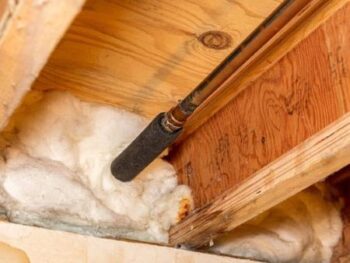
A vapor barrier does not necessarily correct water that is accumulating beneath the home.
If standing water is present, its location and severity should be evaluated.
Depending on the condition, drainage or another moisture-management solution may need consideration before insulation replacement is completed.
This sequence matters.
New insulation should not simply cover the evidence of a significant water problem.
Rodent-Damaged Insulation May Not Be the Only Issue Beneath the Floor
Rodent activity can create a more complicated project because crawlspaces often contain ductwork alongside insulation.
Flexible insulated ducts can be damaged by animals.
That creates two separate problems:
- Compromised insulation beneath the floor
- Physical damage to the HVAC distribution system
Replacing crawlspace insulation will not repair a torn duct.
Likewise, cleaning a duct does not repair a physical tear or disconnected section.
ABA works with both crawlspace insulation and duct repair or replacement, allowing these conditions to be evaluated during the same broader inspection when appropriate.
The homeowner can then see exactly which recommendations relate to insulation and which relate to ductwork.
If only the insulation is damaged, the project should remain focused on insulation.
Cold Floors Can Justify an Inspection, but They Do Not Diagnose the Problem
A homeowner may begin researching crawlspace insulation because the floor feels cold during winter or certain rooms are difficult to keep comfortable.
Insulation can contribute to those conditions when it is missing, damaged, or poorly installed.
But comfort problems have multiple possible causes.
Duct leakage or physical duct damage can affect conditioned-air delivery. Windows and doors can contribute to heat loss. Attic insulation may be deficient. Air leakage and HVAC operation can also influence room temperatures.
That is why ABA avoids promising that adding crawlspace insulation will automatically solve every comfort concern.
When insulation is genuinely deficient, correcting it can help reduce unnecessary heat transfer through the floor assembly and support more consistent indoor comfort.
When the cause is unclear, further investigation can be more useful than simply adding material.
ABA can also use FLIR thermal imaging to identify potential energy-loss areas around floors, walls, attics, windows, doors, and ductwork.
A Better Insulation Project Protects the New Material
When significant insulation replacement is necessary, the surrounding crawlspace should be ready for it.
A logical project can include several stages depending on what the inspection finds.
Determine What Can Remain
Serviceable insulation does not need automatic removal.
ABA evaluates whether the replacement can be targeted or whether damage is extensive enough to justify a broader project.
Remove Material That Is No Longer Suitable
Insulation that is significantly damaged, deteriorated, moisture affected, or compromised by rodent activity can be removed when appropriate.
Removal can also provide better visibility into areas previously concealed by the material.
Evaluate Relevant Crawlspace Problems
Before replacement, ABA can consider actual moisture conditions, vapor-barrier deficiencies, damaged ductwork, and rodent-related issues that could affect the project.
Install Replacement Insulation
Once the crawlspace is ready, replacement insulation can be installed according to the needs of the home.
ABA works with traditional fiberglass insulation for crawlspace projects and bases the installation on the property’s specific conditions.
The objective is not merely to replace old material with new material.
It is to create a long-term solution that makes sense for the crawlspace.
Lacey’s Housing Variety Makes Condition More Important Than Age
Lacey has a mixture of established neighborhoods, infill development, and newer residential construction.
Residential growth has occurred around areas such as Hawks Prairie, while established housing extends through College Street, Long Lake, Pleasant Glade, and other parts of the city.
That variety matters because crawlspace insulation cannot be judged by the home’s age alone.
An established property may have received a high-quality insulation upgrade years after construction.
Another may still contain deteriorated or poorly installed material.
A newer home can develop rodent damage or a localized moisture issue even when the original insulation was installed correctly.
Properties around College Street, Carpenter Road, Marvin Road, Martin Way, and Hawks Prairie Road can therefore present very different crawlspace conditions.
ABA uses the home’s history as context, but the insulation itself determines the recommendation.
Crawlspace Insulation Can Be Part of a Larger Restoration
Some insulation projects remain focused and straightforward.
Others begin with fallen insulation and uncover additional problems.
For example, an inspection might find rodent-damaged insulation alongside torn flexible ducts. Another crawlspace might have deteriorated insulation above a poorly installed vapor barrier. A moisture-affected area could also contain standing water that needs separate evaluation.
When problems overlap, coordinating the work can help avoid installing new material before the space is ready.
That does not mean every insulation project should become a full restoration.
Each additional service should solve a specific condition.
ABA’s approach is to distinguish among:
Insulation Replacement: Addresses insulation that is no longer suitable.
Crawlspace Cleaning: Removes damaged materials and unnecessary debris where needed.
Vapor-Barrier Work: Corrects ground coverage when the existing barrier is inadequate.
Moisture Management: Addresses relevant water or moisture conditions.
Duct Repair or Replacement: Corrects physical duct damage.
Keeping these services distinct helps homeowners understand exactly what they are paying to correct.
Proper Crawlspace Insulation Can Support Whole-Home Performance
When crawlspace insulation is missing or significantly compromised, replacing it can help reduce unnecessary energy loss through the floor assembly.
That can support indoor comfort and help the HVAC system maintain temperatures more efficiently.
But responsible insulation recommendations should stop short of promising a particular percentage of energy savings.
Actual home performance depends on many factors, including:
- Attic insulation
- Wall construction
- Windows and doors
- Air leakage
- Duct condition
- HVAC equipment
- Thermostat settings
- Household energy use
ABA considers the crawlspace as one part of that larger system.
This is especially useful when the homeowner’s main concern is not visibly damaged insulation but unexplained comfort or energy-loss issues.
Why Lacey Homeowners Choose ABA for Crawl Space Insulation
ABA HVAC & Crawlspace Solutions was established in July 2020 by owner David Moshe, who has more than 15 years of industry experience involving insulation, crawlspaces, and HVAC-related work.
David personally supervises ABA projects, providing hands-on oversight for work that is often difficult for homeowners to evaluate once it is installed.
ABA’s crawlspace insulation approach emphasizes:
Inspecting Before Replacing: Existing material is evaluated before deciding how much needs to come out.
Long-Term Solutions: Relevant moisture, rodent, vapor-barrier, and duct conditions are considered when they affect the insulation project.
Condition-Based Recommendations: Insulation is not automatically replaced simply because it is older.
Whole-Home Thinking: Crawlspace insulation is considered alongside ductwork, moisture, attic conditions, and potential energy loss when appropriate.
Correcting Poor Previous Work: Inadequate installations can be corrected instead of duplicated.
Direct Project Oversight: David personally supervises ABA projects.
Upfront Pricing: ABA emphasizes transparent pricing with no hidden fees.
Free Estimates: Lacey homeowners can request an estimate based on the crawlspace’s actual condition and proposed work.
The goal is straightforward: keep what remains useful, replace what no longer performs properly, and address relevant conditions that could compromise the new insulation.
Find Out What Your Lacey Crawlspace Insulation Actually Needs
Fallen insulation may need targeted correction or replacement.
Rodent-damaged material may require removal.
Moisture-affected insulation should lead to an evaluation of the conditions around it.
And insulation that remains properly installed and serviceable should not automatically be removed just because other work is happening beneath the home.
ABA HVAC & Crawlspace Solutions provides Crawl Space Insulation in Lacey, WA with an inspection-driven approach focused on the existing insulation, moisture conditions, vapor barriers, rodent damage, ductwork, and potential energy loss when those factors are relevant.
Request a free estimate from ABA HVAC & Crawlspace Solutions to have your Lacey crawlspace evaluated and determine whether targeted insulation work, replacement, or a broader crawlspace restoration makes sense for your home.