HVAC Maintenance You Can Do Yourself: A Homeowner’s Checklist
Your HVAC system works hard year-round to keep your home comfortable. While professional maintenance is essential, there are several DIY HVAC maintenance tasks homeowners can safely handle to improve efficiency, extend system life, and prevent costly repairs.
This checklist covers simple HVAC maintenance you can do yourself, what to avoid, and when it’s time to call in a licensed HVAC professional.
Why DIY HVAC Maintenance Matters
Routine HVAC care helps:
- Improve indoor air quality
- Lower energy bills
- Reduce system wear and tear
- Catch small issues before they become major problems
Basic maintenance doesn’t require special tools or technical knowledge—just consistency and awareness.
DIY HVAC Maintenance Checklist for Homeowners
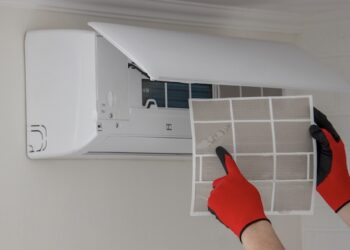
1. Change or Clean Air Filters Regularly
One of the most important and easiest HVAC maintenance tasks.
How often:
- Every 1–3 months (more often with pets or allergies)
Why it matters:
Dirty filters restrict airflow, reduce efficiency, and strain your system.
What to do:
- Turn off the system
- Remove the old filter
- Install a new filter with the airflow arrow pointing correctly
2. Keep Supply and Return Vents Clear
Blocked vents reduce airflow and make your system work harder.
What to check:
- Furniture, rugs, or curtains covering vents
- Dust buildup on vent covers
DIY tip:
Vacuum vent covers occasionally and make sure at least 80% of vents remain open throughout the home.
3. Check and Test Your Thermostat
Your thermostat controls comfort and efficiency.
DIY thermostat checks:
- Replace batteries annually (if applicable)
- Confirm settings match your schedule
- Test heating and cooling modes seasonally
If temperatures don’t match the thermostat reading, calibration or replacement may be needed.
4. Clear Debris Around Outdoor Units
For homes with central AC or heat pumps, the outdoor unit needs breathing room.
What to do:
- Remove leaves, grass, and debris
- Trim plants at least 2 feet away
- Gently rinse dirt from exterior fins (low-pressure hose only)
5. Inspect Exposed Ductwork and Insulation
While you shouldn’t access sealed ducts, visible sections can be checked.
Look for:
- Loose connections
- Disconnected ducts
- Damaged insulation
If you notice leaks or gaps, call a professional for proper sealing.
6. Listen, Look, and Smell
Pay attention to warning signs.
Call a professional if you notice:
- Unusual noises (grinding, banging, squealing)
- Burning or musty odors
- Frequent cycling or weak airflow
These symptoms often indicate issues beyond DIY fixes.
What NOT to DIY on Your HVAC System
Some tasks require specialized tools, training, and licensing. Avoid attempting:
- Refrigerant handling or recharging
- Electrical repairs or capacitor replacement
- The furnace burner or heat exchanger works
- Internal system cleaning
- Major ductwork modifications
DIY attempts in these areas can lead to system damage, safety hazards, or voided warranties.
When to Call an HVAC Professional
Schedule professional HVAC service if:
- Your system won’t turn on
- Energy bills spike unexpectedly
- Your home has uneven temperatures
- The system is over 10 years old
- You want annual tune-ups for peak efficiency
At ABA HVAC and Crawlspace Solutions, our trained technicians provide thorough inspections, preventive maintenance, and expert repairs to keep your system running safely and efficiently. We also offer home remodeling services.
Contact ABA HVAC and Crawlspace Solutions
Not sure if your HVAC issue is DIY-friendly? We’re happy to help. Contact ABA HVAC and Crawlspace Solutions today to schedule professional HVAC maintenance or get expert advice on your home comfort system.