
HRV vs. ERV Systems Explained: Key Differences, Benefits, and Which One You Need
Indoor air quality plays a major role in your home’s comfort, health, and energy efficiency. If your home feels stuffy, overly dry, or holds onto odors and moisture, a whole-home ventilation system may be the solution. Two of the most common options are Heat Recovery Ventilators (HRVs) and Energy Recovery Ventilators (ERVs).
While they sound similar—and are often confused—they serve slightly different purposes. Below, we break down how HRV and ERV systems work, their key differences, pros and cons, and how to choose the right one for your home and climate.
What Is an HRV System?
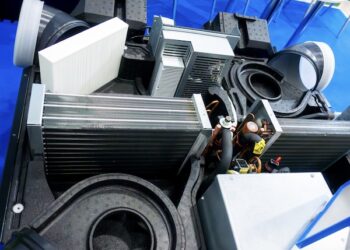
A Heat Recovery Ventilator (HRV) is a whole-house ventilation system that brings fresh outdoor air into your home while exhausting stale indoor air. The key benefit is that it recovers heat from the outgoing air and transfers it to the incoming air, reducing energy loss.
How an HRV Works
- Pulls fresh air from outside
- Exhausts stale air from inside
- Transfers heat between the two air streams (without mixing them)
- Helps maintain indoor temperature while improving air quality
Pros of HRV Systems
- Improves indoor air quality
- Reduces heat loss in colder climates
- Helps control indoor humidity during winter
- Energy efficient compared to opening windows
Cons of HRV Systems
- Does not manage moisture as effectively in humid climates
- Can dry out indoor air if not properly balanced
Best for:
Homes in cold or dry climates, newer airtight homes, and households concerned about winter air quality and energy efficiency.
What Is an ERV System?
An Energy Recovery Ventilator (ERV) works similarly to an HRV but goes one step further—it transfers both heat and moisture between incoming and outgoing air.
How an ERV Works
- Exchanges stale indoor air with fresh outdoor air
- Transfers heat and humidity
- Helps maintain balanced moisture levels year-round
Pros of ERV Systems
- Controls indoor humidity more effectively
- Reduces strain on HVAC systems
- Prevents overly dry air in winter and excess moisture in summer
- Enhances comfort in mixed or humid climates
Cons of ERV Systems
- Slightly higher upfront cost than HRVs
- May not be ideal for extremely cold climates
Best for:
Homes in humid or mixed climates, households with allergy concerns, and homes that struggle with excess moisture or dryness.
HRV vs. ERV: Key Differences at a Glance
| Feature | HRV | ERV |
|---|---|---|
| Heat transfer | ✔ | ✔ |
| Moisture transfer | ✖ | ✔ |
| Best climate | Cold/dry | Humid/mixed |
| Humidity control | Limited | Excellent |
| Energy efficiency | High | Very high |
Which System Is Right for Your Home?
Choosing between an HRV and an ERV depends on:
- Your local climate
- Your home’s air tightness
- Existing humidity issues
- Overall HVAC system design
Homes in colder regions often benefit from HRVs, while ERVs are ideal for homes where humidity control is a priority. A professional indoor air quality assessment can help determine the best solution.
At ABA HVAC and Crawlspace Solutions, we specialize in customized ventilation solutions that improve comfort, energy efficiency, and indoor air quality, without guesswork.
Contact ABA HVAC and Crawlspace Solutions
If you’re considering an HRV or ERV installation, or want to improve your home’s indoor air quality, our experienced team is here to help. Contact ABA HVAC and Crawlspace Solutions today to schedule a consultation and find the right ventilation system for your home. We also offer home remodeling services.