Mold Remediation Olympia WA for Attics, Crawlspaces, and Recurring Moisture Problems
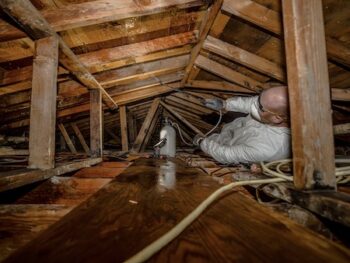
ABA HVAC & Crawlspace Solutions provides professional Mold Remediation in Olympia, WA for homeowners who discover visible growth, musty odors, moisture-affected insulation, or mold-related conditions in attics and crawlspaces. Olympia’s long wet season makes moisture management an important part of home maintenance, while established neighborhoods such as South Capitol, Eastside, Bigelow, West Olympia, and Northeast Olympia contain homes with different insulation, ventilation, and crawlspace histories. ABA approaches remediation by addressing the affected area while also evaluating relevant moisture or ventilation conditions that may have contributed to the problem.
Mold remediation should not be reduced to making visible growth disappear.
The surrounding environment matters.
In an attic, that may mean looking at ventilation and insulation. In a crawlspace, it may involve ground coverage, standing water, or damaged materials.
Understanding those conditions can help create a more complete restoration and reduce the risk of recurrence.
Where Is the Moisture Coming From?
This is one of the most useful questions to ask during a mold-related project.
Olympia’s rainy climate creates a strong regional moisture influence, but weather alone does not explain why growth develops in one attic or crawlspace and not another.
ABA evaluates conditions specific to the property.
Potential contributors may include:
- Inadequate attic ventilation
- Moisture accumulation or condensation
- Incomplete crawlspace ground coverage
- A deteriorated vapor barrier
- Standing water beneath the home
- Moisture-affected insulation
- Other visible water-intrusion conditions
- Air leakage into attic areas
- Previous work that did not address a contributing condition
The findings determine which corrective steps make sense.
A crawlspace with standing water needs a different plan from an attic with restricted ventilation.
Attic Mold Remediation Should Include a Ventilation Evaluation
Attics can remain out of sight for years.
That means mold-related conditions may not be discovered until a homeowner investigates an odor, schedules insulation work, or has another reason to enter the space.
When visible growth is found, ABA evaluates the affected area along with relevant attic conditions.
Ventilation Can Be Part of the Problem
Proper attic ventilation helps manage heat and moisture.
When intended airflow is restricted or inadequate, conditions can become more favorable for moisture accumulation.
ABA provides attic ventilation services and can evaluate whether ventilation deficiencies should be corrected as part of the restoration.
In appropriate attic configurations, baffles can be used to maintain airflow from soffit areas and keep insulation from interfering with the intended ventilation path.
Insulation May Need Attention Too
Attic insulation can also be affected during a mold-related project.
Material that is significantly compromised may need removal. Insulation may also have to be moved or removed to provide appropriate access to affected areas.
That does not automatically justify removing all insulation throughout the attic.
ABA evaluates the condition and extent before recommending replacement.
When a larger restoration is needed, remediation, ventilation correction, and insulation replacement can be coordinated in the appropriate order.
Olympia Crawlspaces Require a Ground-Up Moisture Investigation
Crawlspace mold presents different questions.
Because the crawlspace sits over soil, ground moisture and water management can become especially relevant.
ABA looks beyond visible growth to understand the environment beneath the house.
Is the Vapor Barrier Providing Appropriate Coverage?
A crawlspace vapor barrier is designed to limit moisture movement from exposed soil.
Problems can develop when an existing barrier is torn, deteriorated, displaced, or poorly installed.
If significant soil remains unnecessarily exposed, ground moisture may be part of the conditions that deserve correction.
ABA can evaluate the existing barrier and recommend repair or replacement when its condition supports that work.
A serviceable vapor barrier does not automatically need replacement because mold has been found elsewhere in the crawlspace.
Is There Standing Water?
Standing water requires separate investigation.
Installing a new vapor barrier over an unresolved water problem is not necessarily a complete moisture solution.
When water is accumulating beneath an Olympia home, ABA can evaluate whether drainage or another moisture-management approach should be considered.
This is particularly important before new insulation or other replacement materials are installed.
ABA Uses a Two-Step Mold Remediation Process
ABA performs mold-related work using a documented two-step remediation process.
The exact project varies according to the affected space, extent of growth, condition of surrounding materials, and moisture or ventilation findings.
A project may include:
Inspection of the Affected Area: Identify visible mold-related conditions and examine the surrounding attic or crawlspace.
Project Preparation: Determine what needs access, removal, or protection before treatment.
Two-Step Remediation: Treat the affected areas according to ABA’s remediation process.
Correction of Relevant Contributors: Address identified ventilation or moisture conditions when they are part of the problem.
Restoration: Replace insulation or other documented materials when their condition justifies replacement.
This process separates remediation from restoration while allowing the two to work together.
ABA does not promise that mold can be permanently eliminated from a building.
The practical goal is to remediate the existing condition and address identifiable environmental contributors that can be corrected.
Musty Odors Should Lead to Inspection, Not Assumptions
Musty odors are common reasons homeowners begin investigating an attic or crawlspace.
An odor can indicate that something deserves attention, but it cannot tell you exactly what is happening.
It also cannot establish the extent of a mold-related problem.
If the smell is strongest near the crawlspace, ABA can inspect for moisture, damaged insulation, standing water, mold-related growth, rodent activity, and other relevant conditions.
If it seems strongest near the attic, ventilation and insulation may deserve evaluation.
Even odors appearing to come from HVAC vents should be investigated rather than immediately attributed to mold inside the ductwork.
ABA works across attic, crawlspace, insulation, and ductwork systems, which is useful when the source is not obvious.
Mold-Affected Insulation Should Be Handled According to Its Condition
Insulation replacement is sometimes an important part of remediation.
It is not automatically required throughout the entire space.
The scope depends on questions such as:
- Has the material been significantly compromised?
- Does it prevent appropriate access to affected areas?
- Is the problem localized or widespread?
- Did moisture contribute to the insulation damage?
- Can unaffected material remain serviceable?
- Should another condition be corrected before replacement?
For example, removing damaged crawlspace insulation and immediately installing new material would be an incomplete sequence if standing water remains underneath it.
Likewise, replacing attic insulation without considering a relevant ventilation deficiency may leave an important contributor unresolved.
ABA coordinates insulation replacement with remediation when the findings justify both services.
Recurring Mold Deserves a Closer Look at the Environment
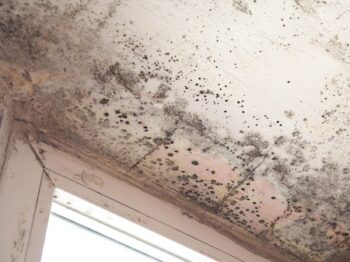
Discovering growth in an area that was treated previously can be frustrating.
Recurrence does not automatically establish that previous remediation was performed incorrectly.
Conditions can change.
A roof or plumbing leak may develop later. Attic ventilation may remain inadequate. A crawlspace vapor barrier can deteriorate or move. Water-management conditions around the home can change.
When a mold-related condition returns, investigating those factors becomes particularly important.
The objective is to distinguish between:
The affected area that needs remediation, and
The contributing condition that may need correction.
Sometimes both can be addressed as part of the same project.
In other situations, the inspection may show that only focused remediation is necessary.
Olympia’s Established Neighborhoods Make Home-Specific Inspection Important
Olympia’s residential areas include homes from many different periods, with varying histories of remodeling and maintenance.
Properties around South Capitol, Bigelow, Eastside, West Olympia, Cooper Point, and Northeast Olympia can have very different attic and crawlspace configurations.
An older home may have received excellent insulation and ventilation upgrades.
Another may contain several generations of previous work.
A more recently improved property can still develop a localized moisture issue.
That is why ABA does not use home age as a mold diagnosis.
The condition of the attic or crawlspace today is more useful than an assumption based on the year the house was built.
When a Mold Project Expands Into Crawlspace Restoration
A crawlspace inspection may reveal that remediation is only one part of what needs to happen.
For example, visible growth might exist alongside deteriorated insulation and poor ground coverage.
Another home might have standing water beneath damaged insulation.
Rodent activity can further complicate the space by disturbing insulation or physically damaging flexible ductwork.
Depending on actual findings, a larger crawlspace project can involve:
- Removal of compromised insulation
- Crawlspace cleaning
- Mold remediation
- Vapor-barrier correction
- Moisture-management or drainage work
- Replacement insulation
- Evaluation of physically damaged accessible ductwork
These services should not be bundled automatically.
Each should solve a specific problem identified during inspection.
If the vapor barrier is serviceable, it does not need replacement simply because remediation is taking place.
If ductwork is intact, a mold project does not automatically require duct replacement.
Attic Restoration Should Follow the Same Principle
The same condition-based approach applies above the living space.
A more extensive attic project may involve removing compromised insulation, completing remediation, correcting relevant ventilation deficiencies, installing baffles where appropriate, and replacing insulation.
ABA has experience with projects where a homeowner’s initial concern led to the discovery of widespread attic mold associated with inadequate ventilation.
In that kind of situation, simply treating the visible growth would leave the broader attic problem incomplete.
A coordinated restoration allows the work to follow a logical sequence:
Remove compromised materials.
Remediate the affected areas.
Correct relevant ventilation conditions.
Then restore the insulation.
This approach focuses on why the problem developed rather than covering the evidence with new material.
Why Olympia Homeowners Choose ABA for Mold Remediation
ABA HVAC & Crawlspace Solutions was established in July 2020, while owner David Moshe has more than 15 years of industry experience involving attics, crawlspaces, insulation, ductwork, and related home-restoration work.
David personally supervises ABA projects, providing direct oversight during work in spaces homeowners may not be able to monitor easily themselves.
ABA’s mold remediation approach emphasizes:
Two-Step Remediation: ABA uses a documented two-step remediation process for mold-related work.
Inspection Before Restoration: The affected area and relevant surrounding conditions are evaluated before the project scope is finalized.
Source-Focused Problem Solving: Moisture and ventilation conditions are considered when they relate to the mold problem.
Long-Term Corrective Work: ABA emphasizes addressing relevant contributing conditions rather than relying on shortcuts.
Attic and Crawlspace Experience: Insulation, vapor barriers, ventilation, moisture, and accessible ductwork can be evaluated when relevant.
Condition-Based Material Replacement: Insulation and other materials are removed according to their actual condition rather than automatically.
Direct Owner Oversight: David personally supervises ABA projects.
Upfront Pricing: ABA emphasizes transparent pricing with no hidden fees.
Free Estimates: Olympia homeowners can request an estimate based on the remediation and restoration scope.
The goal is to give homeowners a clear explanation of what needs treatment, what surrounding conditions deserve attention, and what can remain as it is.
Treat the Mold Without Ignoring Why It Developed
Visible growth tells you where part of the problem is.
A thorough inspection helps determine what else matters.
For an Olympia attic, that can mean evaluating ventilation and insulation. For a crawlspace, it can mean looking at the vapor barrier, exposed soil, standing water, insulation, and other moisture conditions.
ABA HVAC & Crawlspace Solutions provides Mold Remediation in Olympia, WA using a two-step remediation process and an inspection-driven approach designed to address affected areas while identifying relevant moisture, ventilation, and material conditions.
Request a free estimate from ABA HVAC & Crawlspace Solutions to have your Olympia attic or crawlspace evaluated and develop a remediation plan based on what is actually happening in the space.
Mold Remediation FAQs for Olympia, Washington