
Why Insulation Performance Depends On More Than Its Thickness
A home can have plenty of attic insulation and still lose heat through gaps, exposed framing, and poorly sealed openings. For homeowners researching attic insulation in Battle Ground WA understanding these hidden pathways explains why insulation thickness alone does not determine energy performance. Heat can travel through materials that bypass insulation, while air leakage allows conditioned indoor air to escape and outdoor air to enter. Addressing both problems helps create a more consistent indoor temperature and reduces unnecessary strain on heating and cooling equipment.
Attic insulation works best as part of a complete building envelope, the boundary separating conditioned living space from the outdoors. Its performance depends on insulation coverage, air sealing, moisture control, and how the attic connects to the rest of the house. In Battle Ground, Washington, where homes experience cool, wet winters and warm summers, these conditions can affect comfort year-round. A well-planned approach considers how heat moves through the building, where air travels, and whether the attic assembly can safely manage moisture.
How Thermal Bridging Allows Heat To Bypass Insulation
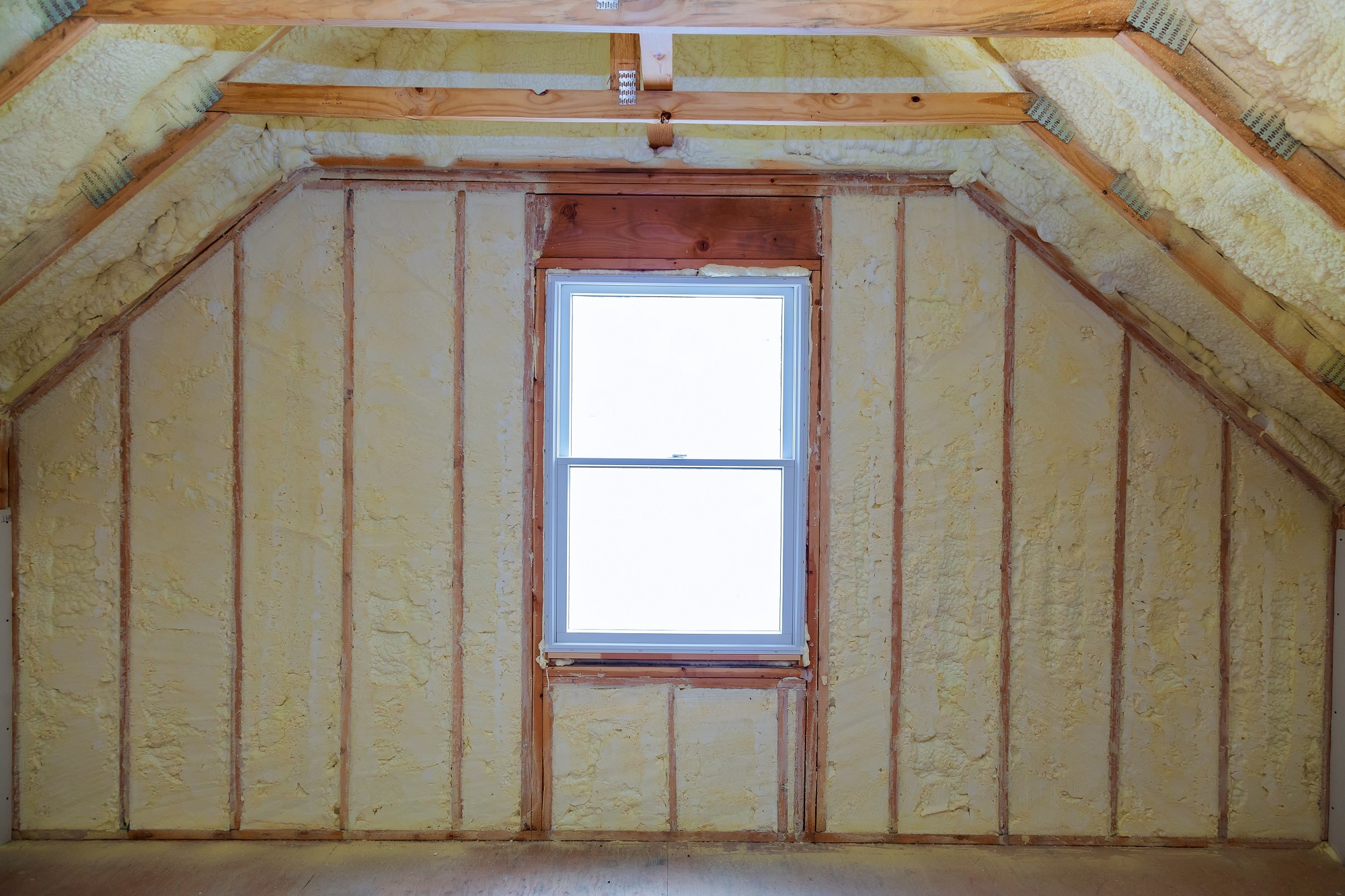
Thermal bridging occurs when heat travels through a material that conducts it more readily than the surrounding insulation. In a typical framed ceiling, wood joists and rafters interrupt the insulated areas. Because wood generally resists heat flow less effectively than many insulation materials, these framing members create pathways through which heat can move more easily.
The effect depends on the framing layout, material properties, insulation type, and continuity of the thermal barrier. Even when insulation has a high R-value rating, the overall ceiling assembly can perform less effectively if a substantial portion of its area consists of framing or other conductive components. This helps explain why adding more insulation without addressing coverage gaps does not always deliver the expected improvement.
Thermal bridging can also occur around attic hatches, framing intersections, and other areas where insulation becomes thinner or discontinuous. In some homes, compressed insulation around stored belongings or building components creates additional weak spots. The goal is not simply to fill the attic with more material, but to establish a continuous layer that limits heat transfer across the ceiling boundary.
Where Air Leakage Develops And Why It Matters
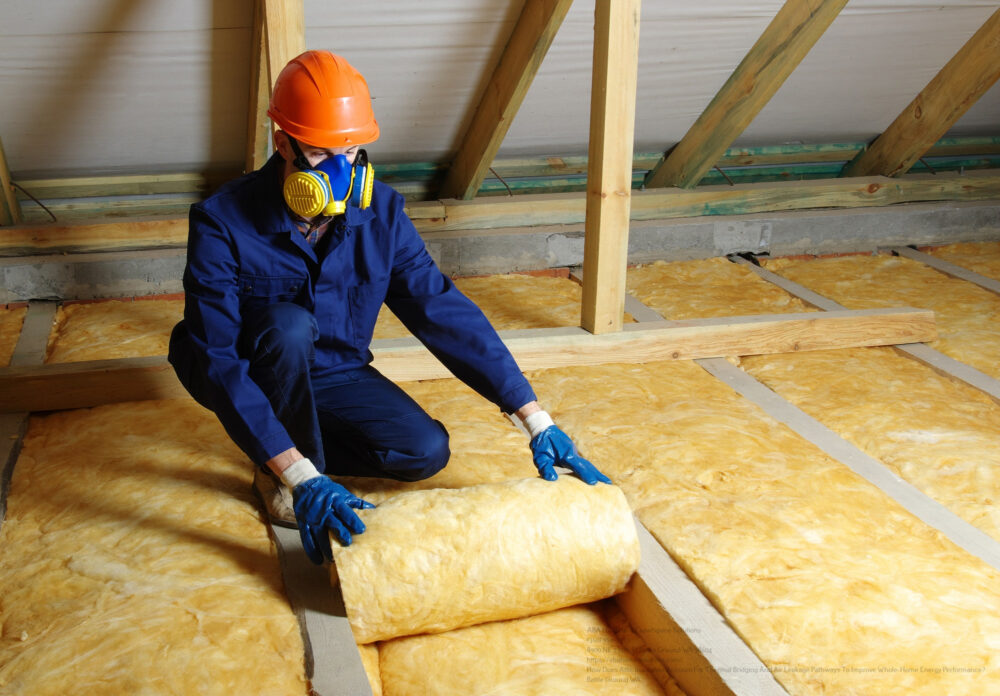
Air leakage is different from thermal bridging. Thermal bridging transfers heat through solid materials, while air leakage involves air moving through openings in the building envelope. Common attic leakage pathways include gaps around plumbing vents, electrical wiring, ceiling fixtures, partition top plates, attic access panels, and duct openings.
Warm indoor air can rise and escape through these openings, particularly when temperature differences and wind create pressure across the building. Replacement air then enters through lower-level gaps, carrying outdoor temperatures into the living space. This movement can make rooms feel drafty, contribute to uneven temperatures, and increase heating or cooling demand.
Air leakage can also transport moisture. During cold weather, warm, humid indoor air entering a cold attic may cool to a temperature at which moisture condenses on susceptible surfaces. Repeated exposure to moisture can contribute to material deterioration or to conditions that support mold growth. Not every attic moisture problem stems from air leakage; roof leaks, inadequate ventilation, and other moisture sources may also require investigation.
Air sealing and insulation therefore serve complementary purposes. Sealing suitable openings limits uncontrolled air movement, while insulation slows heat transfer through the ceiling assembly. Installing insulation over substantial unsealed gaps without addressing them can leave important performance problems unresolved.
Need Professional Attic Insulation?
Contact ABA HVAC and Crawlspace Solutions today for a free estimate.
Why Air Sealing Should Usually Precede Additional Insulation
Adding insulation before sealing major air leaks can make later access more difficult and may leave the principal source of energy loss untouched. A sound improvement plan begins by identifying openings between the home and attic, then choosing appropriate sealing methods for each location. Materials and methods depend on the opening, surrounding surfaces, building conditions, and applicable safety requirements.
Some gaps can be sealed with compatible caulks or weatherstripping, while larger openings may require other materials designed for the application. Particular care is necessary around heat-producing equipment, recessed lighting, chimneys, flues, and other components that require specified clearances. Insulation and sealants must not obstruct required ventilation openings or come into contact with heat sources contrary to manufacturer instructions and building requirements.
Combustion safety also matters in homes with fuel-burning appliances. Sealing a building envelope can affect air available for combustion, so the work may need to account for appliance design and appropriate combustion-air provisions. Homeowners should not cover vents or attempt to seal around hot flues without understanding the required clearances. Where conditions are uncertain, a qualified professional can help determine the appropriate approach before insulation is added.
Once significant leakage pathways have been addressed, insulation can be installed or supplemented to provide more continuous coverage. This sequence helps avoid burying accessible gaps and allows the insulation strategy to be matched to the actual condition of the attic.
Choosing Insulation With Coverage And Climate In Mind
Insulation products differ in how they are installed, how they fit around obstacles, and how well they maintain consistent coverage. Fiberglass batts, blown-in fiberglass, cellulose, and other suitable materials can all be used in different attic configurations. The right choice depends on the existing assembly, available space, local requirements, moisture conditions, and whether the project involves an accessible attic floor or a different roof configuration.
The labeled R-value describes resistance to heat flow, with higher values generally providing greater resistance when the material is installed correctly. However, the installed result also depends on even depth, coverage around framing, avoiding compression where it reduces performance, and maintaining the integrity of the air barrier. Gaps around edges or thin patches can undermine the consistency of the insulation layer.
In Battle Ground’s damp climate, moisture management deserves particular attention. Roof leaks and plumbing leaks should be corrected before insulation is installed, and the attic’s ventilation and drying potential should be evaluated in the context of the home’s design. More ventilation is not automatically the answer to every moisture problem, and adding insulation should not block soffit vents or other intended airflow paths. The appropriate assembly must control air movement while allowing the roof and attic to manage moisture as designed.
How Homeowners Can Recognize Weak Spots
Certain patterns can suggest that an attic’s thermal boundary deserves closer attention. Rooms beneath the attic may become noticeably colder in winter or warmer in summer, temperatures may vary between rooms, and heating or cooling equipment may run longer during extreme weather. These symptoms are not conclusive proof of insulation failure, since duct leakage, equipment problems, window performance, and other factors can create similar effects.
Visible attic conditions can provide additional clues when they can be observed safely. Insulation may be uneven, compressed, displaced, or missing around the attic hatch and framing edges. Darkened areas around small openings may sometimes indicate air movement carrying dust, although discoloration alone does not establish the cause. Damp insulation, water staining, musty odors, or visible mold warrant attention, as adding new material without addressing the moisture source can conceal rather than resolve the problem.
Homeowners should avoid walking on ceiling drywall or stepping between attic joists, where a misstep can cause injury or damage. Older homes may also contain hazardous materials, and electrical wiring or heat-producing equipment can create additional risks. A visual check from a safe access point can help identify obvious concerns, but an appropriately qualified professional should assess inaccessible or potentially hazardous areas.
Measuring Improvement Beyond Lower Energy Bills
Energy bills can help homeowners track changes after attic improvements, but they are not a perfect measure of insulation performance. Outdoor temperatures, household occupancy, thermostat settings, utility rates, and equipment efficiency all influence energy use. Comparing bills across similar weather conditions provides more useful context than comparing unrelated months.
Other signs of improvement include fewer drafts, more stable room temperatures, and less variation between floors. Where appropriate, a professional energy assessment may use tools such as blower-door testing or infrared imaging to help identify air leakage and temperature differences. These tools have limitations: infrared images depend on suitable temperature conditions, and a blower-door test measures overall building leakage rather than identifying individual openings.
A useful assessment considers the entire building envelope rather than treating attic insulation as an isolated product. It may identify additional work that should be prioritized, distinguish attic-related losses from other problems, and establish a baseline for evaluating later improvements. This approach helps homeowners direct their budget toward the conditions most likely to affect comfort and energy performance.
A More Complete Attic Insulation Strategy For Battle Ground Homes
Thermal bridging and air leakage are separate problems, but both can weaken an otherwise well-insulated attic. Continuous insulation reduces heat transfer through the ceiling, while targeted air sealing limits uncontrolled air movement. Moisture management, safe clearances, and unobstructed ventilation pathways help protect the building assembly during these improvements.
ABA HVAC and Crawlspace Solutions provides attic insulation services for homeowners looking to improve their home’s thermal performance. The most useful next step is to assess the attic’s existing insulation, potential leakage pathways, and moisture conditions before deciding which changes are appropriate. Homeowners exploring attic insulation in Battle Ground WA can contact the company to discuss their property and determine how attic insulation may fit into a broader plan for comfort and energy efficiency.
Need Professional Attic Insulation?
Contact ABA HVAC and Crawlspace Solutions today for a free estimate.